Understanding the mechanism does not make quitting easy, but it does make it predictable, and predictable is much easier to plan around than mysterious.
The 15-second loop
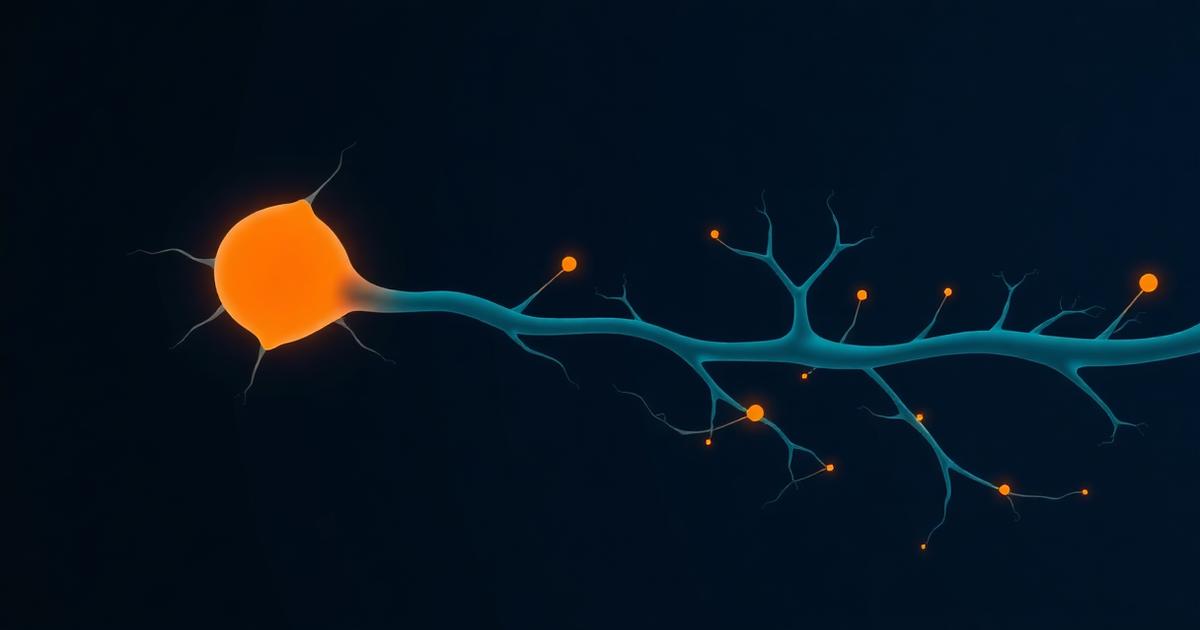
Inhaled nicotine crosses from lung to bloodstream to brain in roughly ten to twenty seconds. That speed matters enormously: the faster a drug reaches the brain, the more strongly it reinforces whatever you were doing at the time.
Once there, nicotine binds nicotinic acetylcholine receptors, which triggers dopamine release in the mesolimbic pathway, the same circuitry that reinforces food, novelty, and social reward.
Dopamine here is not "pleasure". It is closer to "do that again, and remember what preceded it". That is why the cue, the car, the balcony, the third drink, becomes part of the addiction and not just the substance.
Upregulation: why you need more
With repeated exposure the brain adapts by adding receptors. Imaging studies in smokers show substantially increased nicotinic receptor density compared with non-smokers.
Two consequences:
- Tolerance. The same dose does less.
- Dependence. Normal function now requires nicotine, because an upregulated system without the drug is under-stimulated.
Withdrawal is exactly that: an upregulated receptor system running without its input. Irritability, poor concentration, restlessness, low mood, appetite change, all of it is the same underlying state.
Why nicotine salts made this worse
Salt formulations allow 20–50mg/ml to be inhaled comfortably, which produces higher blood nicotine faster and more often than freebase vaping or cigarettes typically did. More frequent, higher peaks mean more upregulation, and a harder quit.
The recovery curve
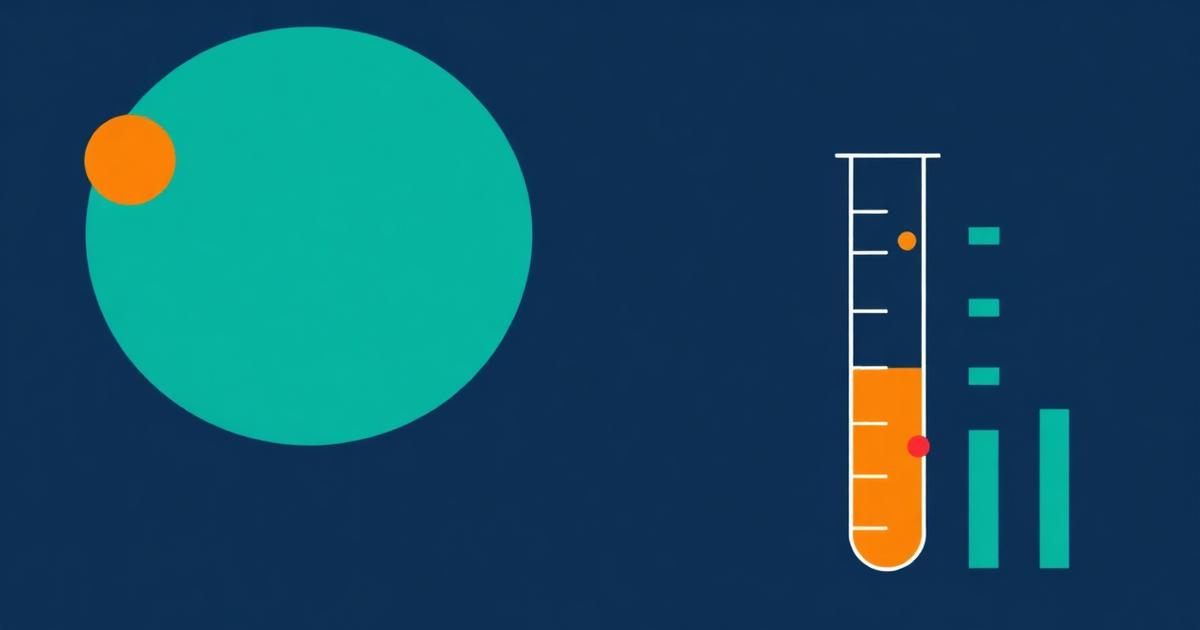
- Days 1–3: nicotine clears. Withdrawal peaks. This is the receptor system complaining loudest.
- Days 3–14: receptor density starts falling. Symptoms decline steadily.
- Around 1 month: imaging shows receptor density approaching non-smoker levels.
- Beyond 1 month: the chemistry is largely done. What remains is learned association.
That last distinction matters. A craving at week eight is not withdrawal, it is memory. Memory weakens with repeated non-reinforcement, which is a technical way of saying: every craving you get through makes the next one smaller.
The "it helps me focus" question
In a dependent user, concentration falls between doses and recovers after one. That feels like enhancement but is mostly restoration. Compared with a non-user baseline, the net effect on cognition in dependent users is small at best, which is why concentration typically improves by week three or four after quitting.
Adolescent brains
The developing brain, into the mid-twenties, is more susceptible to nicotine's effects on attention and reward learning, and dependence forms faster. This is the strongest single argument against vaping for never-smokers under 25.
Read next: how long nicotine withdrawal lasts.