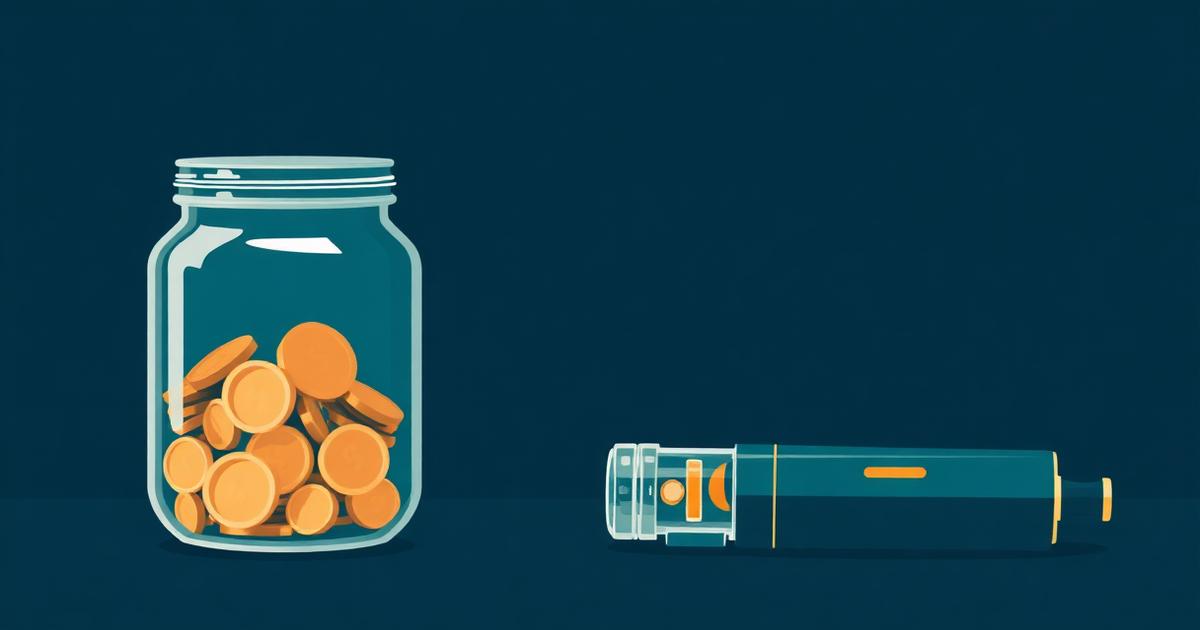

Insurance underwriting was one of the last dominos to reclassify vaping. As of 2020–2024, virtually every major US and UK insurer treats vaping as nicotine use for both health premium adjustment and life underwriting. The financial gap between "vaper" and "non-vaper" over a lifetime is usually larger than the money-saved-on-devices number people fixate on.
United States
Health insurance. ACA-compliant plans can apply a tobacco surcharge of up to 50% of the base premium. Most large insurers treat vaping as tobacco use; some ask specifically about vaping on enrolment. Employer-sponsored plans may waive the surcharge if you complete a cessation programme — check the SBC.
Life insurance. Term-life and whole-life underwriters ask about nicotine use in any form (cigarettes, vape, pouch, cigar, chew). Premium difference between smoker and non-smoker rates typically ranges 2–3× over the policy term. Non-smoker rates return after 12 consecutive months nicotine-free, confirmed by cotinine testing on the medical exam.
Critical illness. Same underwriting logic. Vape use is disclosed; rates reset with 12 months clean.
United Kingdom
NHS. Access is universal and not premium-adjusted; there is no vaper surcharge.
Private life and critical-illness cover. UK insurers treat vape use the same as smoking for underwriting purposes. Legal & General, Aviva, and most others require 12 months nicotine-free for non-smoker rates.
Income protection. Nicotine use rarely affects premiums directly but affects long-term underwriting risk on chronic illness claims.
European Union
Health cover is public in most member states and not premium-adjusted. Private life insurance mirrors the UK model.
The cessation benefits most people don't claim
Under the US Affordable Care Act, every preventive-services-compliant plan must cover, at $0 copay:
- Cessation counselling — 4 sessions of individual, group, or phone counselling per attempt, up to 2 attempts per year.
- All FDA-approved cessation medications — a full 90-day course of NRT (patches, gum, lozenges, inhaler, spray), varenicline (Chantix), and bupropion (Zyban).
In the UK, NHS Stop Smoking Services are free everywhere. Prescriptions are free for under-18s, over-60s, low-income households, pregnant users, and (in Scotland/Wales/NI) universally.
Under-utilisation is dramatic: fewer than 10% of eligible US ACA members claim covered cessation benefits, even though most successful quitters use pharmacotherapy of some kind.
How to claim them
- Call the number on your insurance card and ask for "preventive tobacco cessation benefits."
- Get the covered NRT via your GP or a partner pharmacy (Walgreens, CVS, Boots).
- Book cessation counselling — often through a quitline partner.
- After 12 months nicotine-free, request a life-insurance underwriting re-review.
The lifetime premium delta from that last step alone is usually larger than everything you'll ever spend on quit tools.