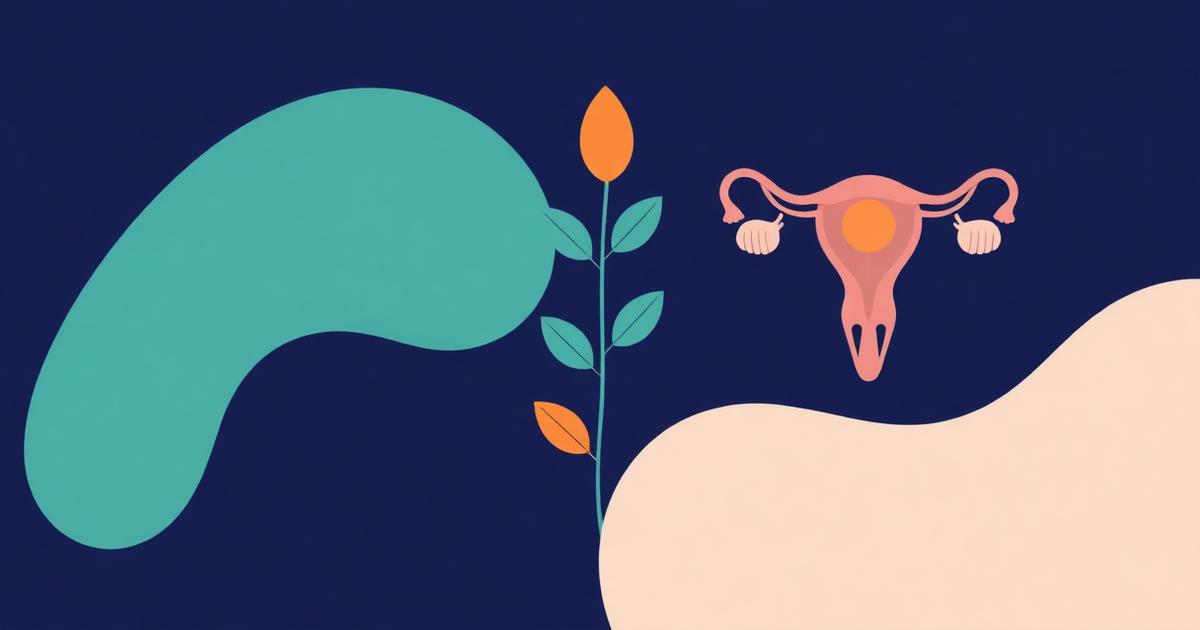
Fertility is one of the areas where the vaping evidence is less mature than the smoking evidence but consistently points in the same direction. If you or your partner are planning a pregnancy in the next year, quitting vaping is one of the higher-leverage lifestyle changes available.
What vaping does to fertility
In people producing sperm:
- Reduced motility.
- Lower total count in some studies.
- Increased DNA fragmentation markers.
- Reduced testosterone in heavy users.
In people producing eggs:
- Reduced ovarian reserve markers in longitudinal studies of smokers; vaper data trending similarly.
- Altered endometrial receptivity.
- Increased miscarriage risk.
In pregnancy (covered in more detail in the pregnancy pillar):
- Increased risk of preterm birth.
- Reduced birth weight.
- Effects on fetal lung and brain development.
The timeline for recovery
Sperm. Full spermatogenesis takes ~74 days. Meaningful quality improvement is usually visible 3 months after quitting. Motility improvements often precede count improvements.
Egg quality and endometrial receptivity. Improvements accumulate over 3-6 months. Ovarian reserve is not restored — reserve declines with age regardless — but the vape-associated acceleration stops.
Menstrual regularity. Vaping can subtly disrupt cycle regularity in some users; regularity typically returns over 1-3 cycles.
Practical guidance for people planning pregnancy
- Quit at least 3 months before trying to conceive. For both partners.
- Use NRT rather than continued vaping if quitting cold turkey is unstable. Short-acting forms (gum, lozenges) give more dosing control than a patch.
- Avoid dual use. Quitting vaping while smoking cigarettes is not a real quit.
- See a preconception clinician. Especially if you've been trying for over 6 months without success.
If you're already pregnant
Quit immediately. The quitting-vaping-while-pregnant guide walks through the first-trimester protocol; the pregnancy pillar covers the full arc. NRT decisions during pregnancy should be made with a clinician; see NRT during pregnancy.
What can slow fertility recovery
- Continued alcohol. Independent negative effect on both sperm and egg quality.
- THC. Also affects fertility in both partners.
- Very high caffeine intake post-quit.
- Untreated thyroid or metabolic conditions that pre-dated the vape.
When to see a specialist
- Trying for 12+ months (or 6+ months if the egg-producing partner is 35 or older) without pregnancy.
- Known low sperm parameters or ovarian reserve markers.
- History of miscarriage.
- Any structural or hormonal condition affecting fertility.
Making it stick
Fertility is a rare motivator that has a clean, evidence-backed timeline attached: 3 months to sperm recovery, 3-6 months to egg-quality and endometrial improvement. Quitting today is a decision that shows up in your fertility numbers before summer. See the long-term-health pillar for how this fits with the rest of recovery.