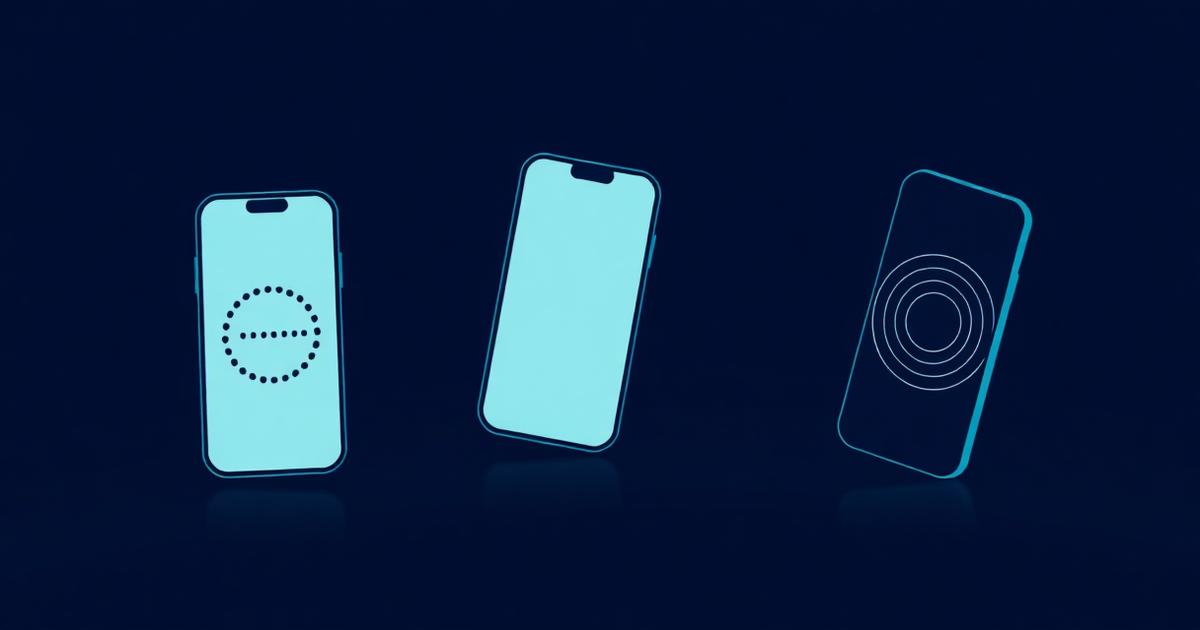

Two categories share the same shelf in the app store and do very different jobs.
Disclosure: PuffPause is a quit app, not a tracker. Read this with that in mind.
The tracker
A tracker answers: how am I doing?
- Days since your quit date
- Money saved
- Puffs or cartridges avoided
- Health milestones passed
All of it is retrospective. Its value is motivational, a visible run of days you would rather not break.
The quit app
A quit app answers: what do I do right now?
- A guided breath at the moment the craving hits
- A five-minute timer that outlasts the peak
- A log of what triggered it, so patterns surface
- A taper schedule if you are stepping down rather than stopping
Its value is behavioural. It aims at the two or three minutes where quit attempts are actually lost.
Which one you need
A tracker is probably enough if:
- You vape lightly, or mainly socially
- Your motivation is high and event-driven (pregnancy, a health scare, a specific goal)
- Previous slips came from drifting, not from an overwhelming craving
You probably need the real-time layer if:
- You reach for the device without deciding to
- You have quit before and slipped at a specific moment, the bar, the drive home, 3pm
- You use nicotine salts at 20mg/ml or higher
The overlap trap
Many apps marketed as quit apps are trackers with a breathing screen bolted on. A quick test before you commit: can you get from a locked phone to a working craving intervention in under five seconds? If it takes navigation, it will not get used mid-craving.
Using both
There is no purity requirement here. A home-screen widget for the day count and a separate app for the craving minute is a perfectly good setup.
Read next: why streaks and craving logs change behaviour.