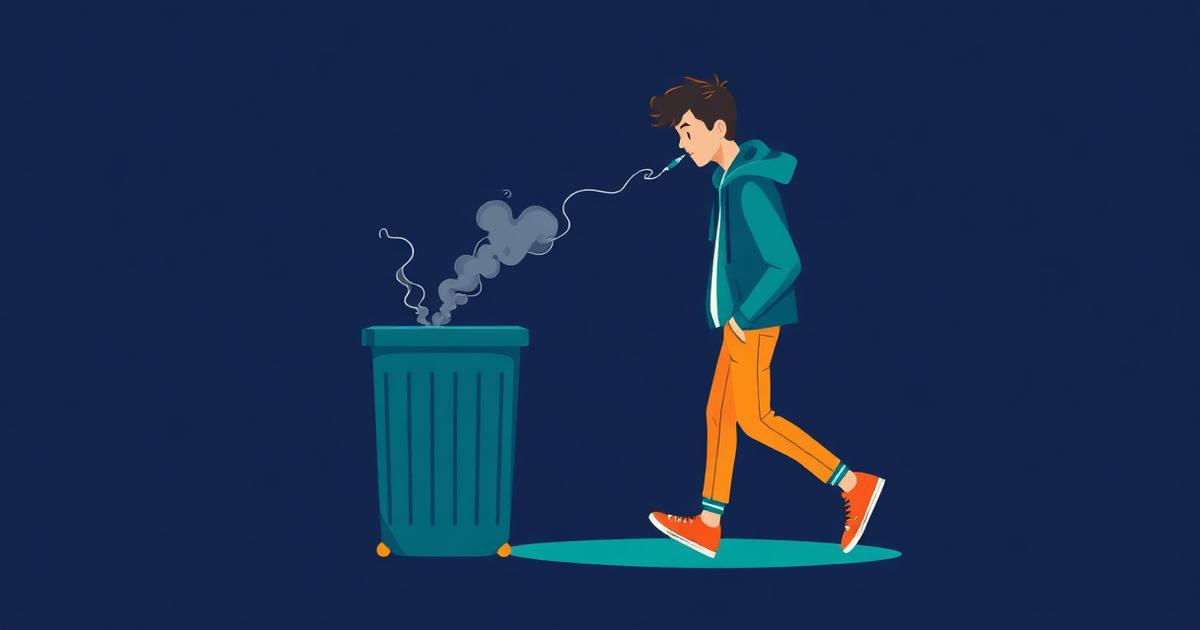
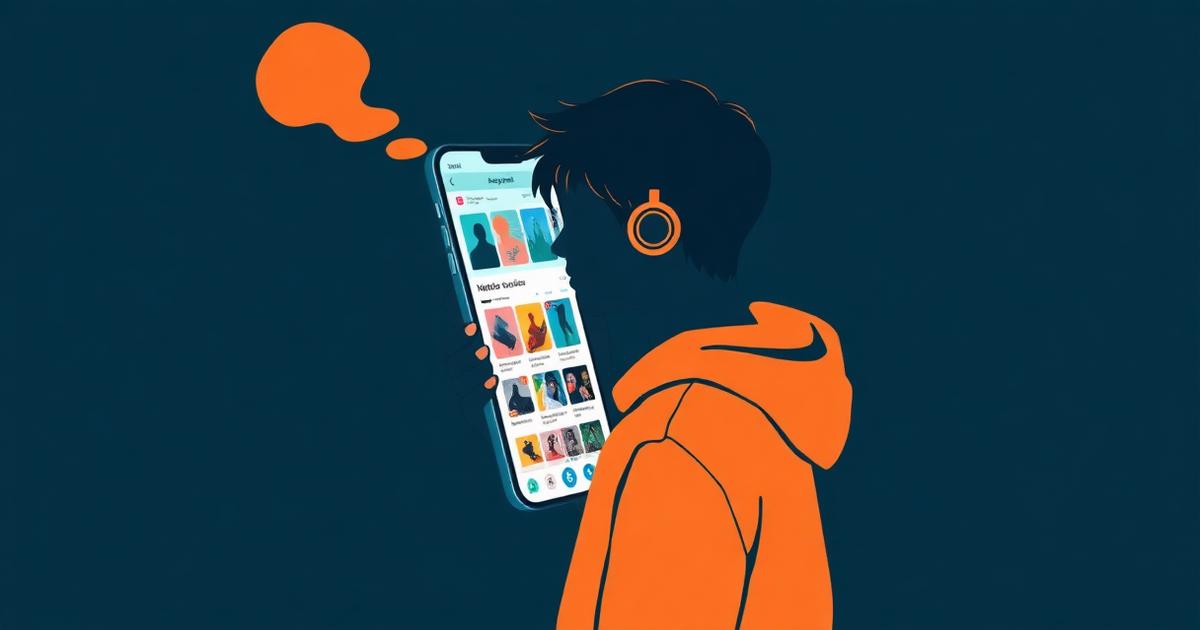
For a modern teen, the strongest vape cue is probably not the smell of a friend's Elf Bar. It is a phone unlock. The average daily vaper hit their device 100-200 times a day, and most of those hits were paired with scrolling. The algorithm knows.
Why the feed becomes a cue
Two forces stack:
- Classical conditioning. Scroll and vape were paired hundreds of times a day for months or years. The unlock alone now triggers the craving, even without a device in reach.
- Algorithmic amplification. TikTok and Instagram serve you what you engaged with. If you lingered on vape unboxings, review videos, or "get ready with me" clips that feature a device on the counter, the feed learned. Vape content keeps appearing even after you stop wanting it.
The result: quitting the substance while keeping the same scroll pattern is like trying to quit smoking while sitting in your favourite smoking spot with your favourite ashtray in your lap.
The two-week feed cleanup
The good news is that recommendation algorithms are also fast learners in the other direction.
- Mark 'not interested' on every vape-adjacent video. Two weeks. Every one. Passing by without input reads as neutral engagement.
- Unfollow the accounts. Vape review pages, unboxing channels, influencers you associate with a device on-screen.
- Search cessation content daily. Search "This Is Quitting," "quit vaping day 1," "no nicotine." The algorithm rebuilds your profile within days.
- Report obvious ads. Nicotine advertising to minors is illegal on all major platforms. Reporting speeds removal in your feed.
- Block outright when needed. Muting is soft; blocking is a hard signal.
By the end of week two, the feed density of vape content typically drops noticeably.
Decoupling the unlock
The phone unlock itself is a nicotine cue. You cannot remove the unlock, so you change where and when it happens.
- First morning: unlock the phone out of bed, not in it. Sit up, feet on the floor, then unlock.
- Bathroom: do not scroll in the same place you used to vape. This is the highest-density cue for many teen users.
- In class: phone in the bag, not the pocket. Pocket-check is a paired behaviour.
- Evening: hold your scrolling window until after dinner, not the moment you get home.
You are not quitting the phone. You are unlinking it from the vape cue for two to three weeks, long enough for the pairing to weaken.
Cessation content that helps
- This Is Quitting clips and the Truth Initiative account.
- Quit-count creators (people posting day-N updates). Following two or three replaces the vape creators you unfollowed.
- Breathing exercise videos for the first minute of a craving — see the breathing pillar.
The one-week screen cap
For the first week after quit day, put a hard 30-minute cap on TikTok and Instagram in your device's screen time settings. Not forever. Long enough to force the scroll-vape pairing to break without the algorithm getting a chance to re-serve the old feed.
This is the same logic as alcohol-avoidance in early quits: remove the highest-cue environment for the window when cravings are strongest, then reintroduce with better defaults.
Signal to keep
- If you notice a specific creator or hashtag repeatedly triggering cravings a week in, block, do not mute. Blocking is what teaches the algorithm.
- If a friend keeps sharing vape content in DMs, ask them to stop for a month. Most will.
The feed is not neutral. It is training data you can rewrite.