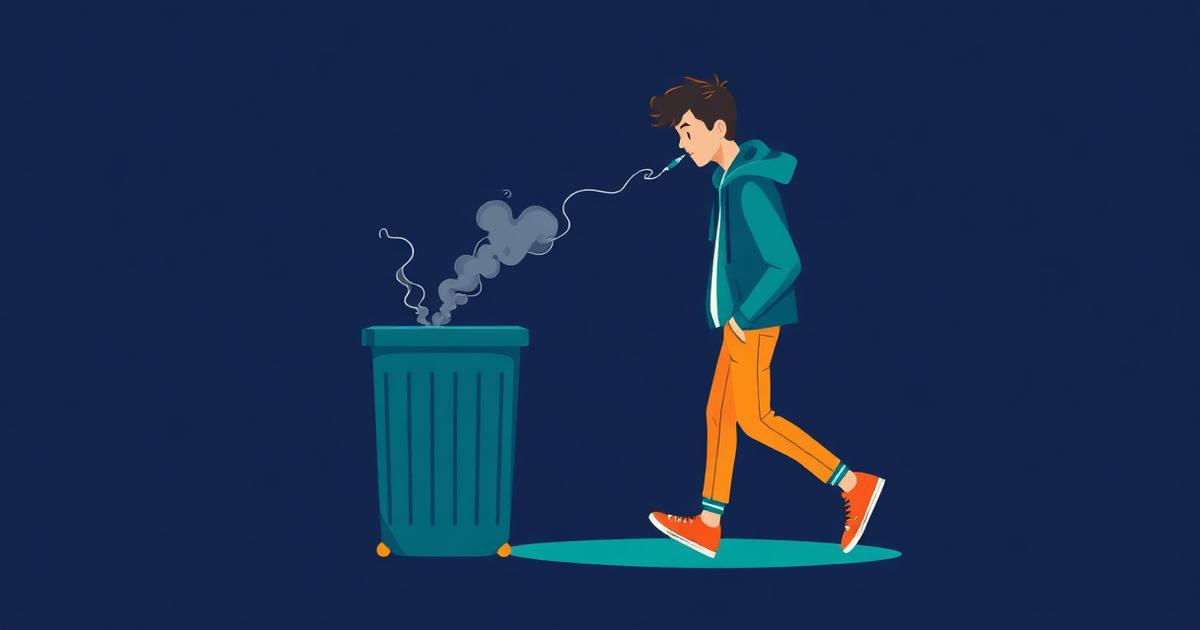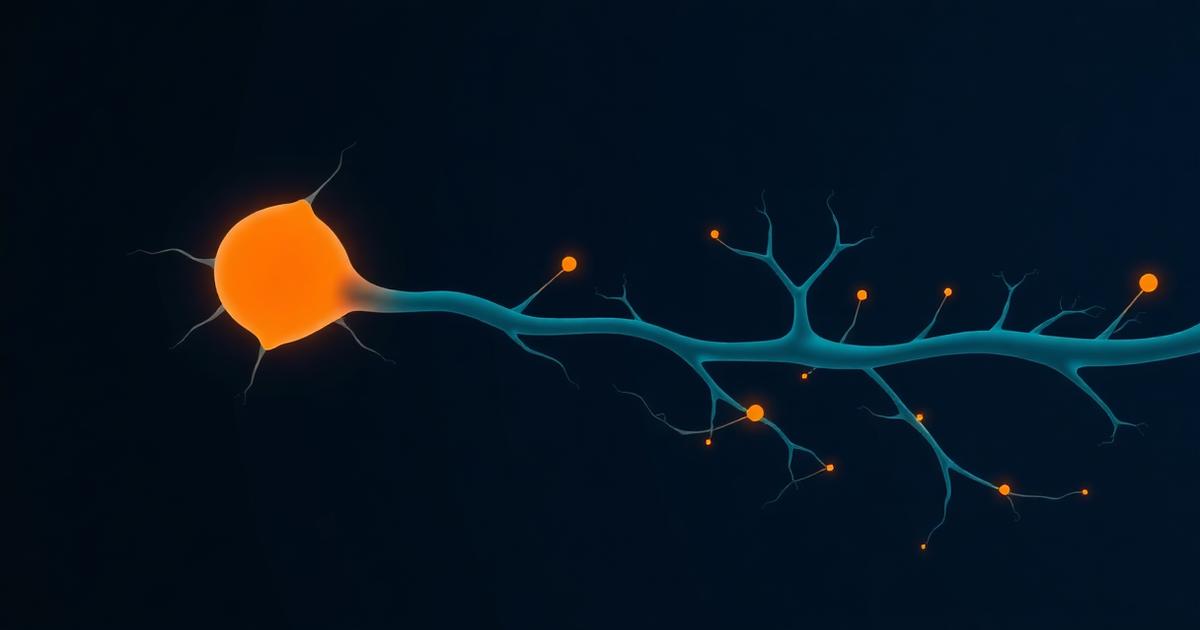
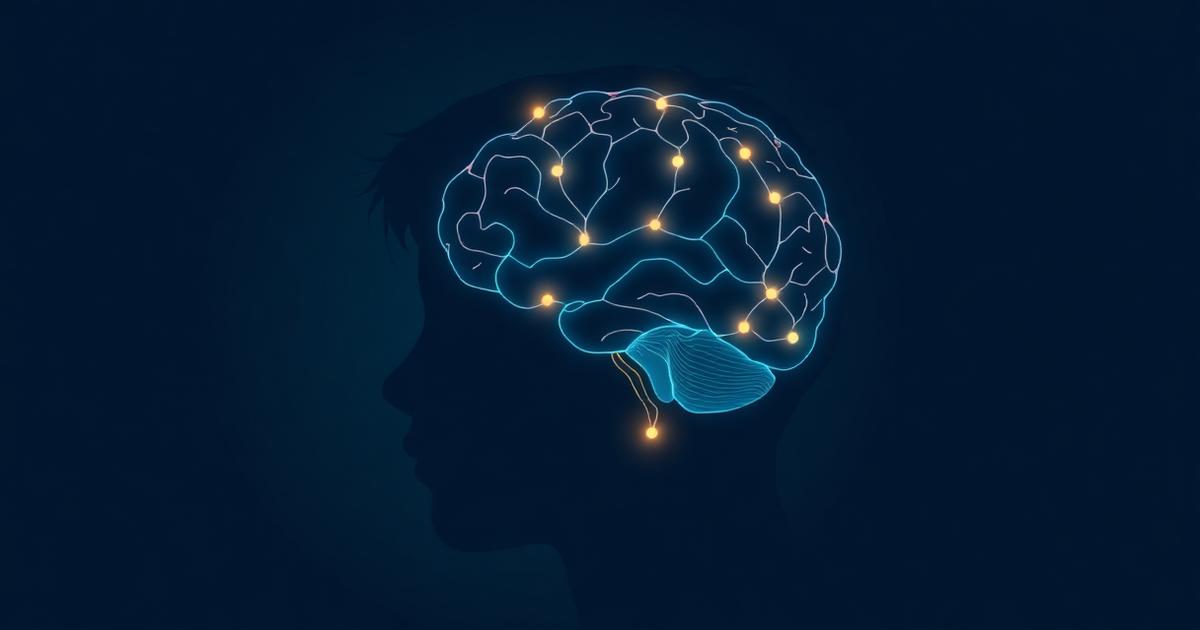
Teens are not just smaller adults when it comes to nicotine. The brain is still under construction, and the parts that regulate reward and inhibition finish at different times.
What is still developing
- Prefrontal cortex: impulse control, planning, delay of gratification. Finishes maturing around age 25.
- Limbic reward system: dopamine, motivation, novelty-seeking. Develops earlier.
- Nicotinic receptor systems: actively rewiring in response to inputs.
The result: teens have full-strength reward, half-strength brakes. A drug that hits reward hard (like nicotine) lands harder.
Why dependence forms faster
- Tolerance builds within days of regular use at any age; the adolescent nAChR system upregulates faster.
- Learned cues wire in faster during a period of active neural plasticity.
- Peer environment reinforces cues that adults can more easily avoid.
Meta-analyses of teen initiation studies find that dependence markers (unable to quit, cravings, use through withdrawal) appear within weeks of daily use, faster than in adults.
What quitting does
Recovery is fast because neuroplasticity is high:
- Receptor upregulation reverses in ~4 weeks, same as adults.
- Withdrawal follows the standard day-by-day timeline.
- Behavioural cue extinction may be faster than in older users.
Some effects on attention, impulse control, and mood may partially persist into adulthood. The evidence is still developing, but the direction is clear: earlier quit is better.
What the evidence does not support
- "Vaping rewires the brain permanently." Too strong; recovery is real.
- "It's the same as any other habit." Understated; the adolescent nAChR system responds specifically to nicotine.
- "One or two vapes at 16 will not matter." True for one or two; not true for weekly use, which reliably escalates.
What this means for quitting
- Quit sooner rather than later. Every additional year of adolescent use compounds.
- The neuroplasticity that got you dependent fast also gets you clean fast.
- The same protocols work as in adults: craving plan, This Is Quitting, NRT under supervision if needed.
See our teen quit pillar for the full protocol.